Do You Need a Power Rack for a Home Gym? An Honest Answer for 2026
As an Amazon Associate I earn from qualifying purchases. Prices and availability are accurate as of the date/time indicated and are subject to change.
🔍 How this guide was put together (Editorial Standards)
This guide compares options using published manufacturer specifications, patterns in publicly visible owner reviews, and reputable expert sources. We do not operate a physical testing lab; see our how-we-research page for details.
EDITOR'S PICKS
Top Picks


A power rack is the single biggest decision in a home gym — biggest footprint, biggest cost, biggest “do I really need this?” So the honest answer up front: it depends entirely on whether you barbell-train heavy and train alone. For some people a rack is non-negotiable safety equipment; for others it’s a room-eating purchase they’ll barely use. Here’s how to tell which one you are before you spend the money and the space.
What a rack actually does (and why safety is the real reason)
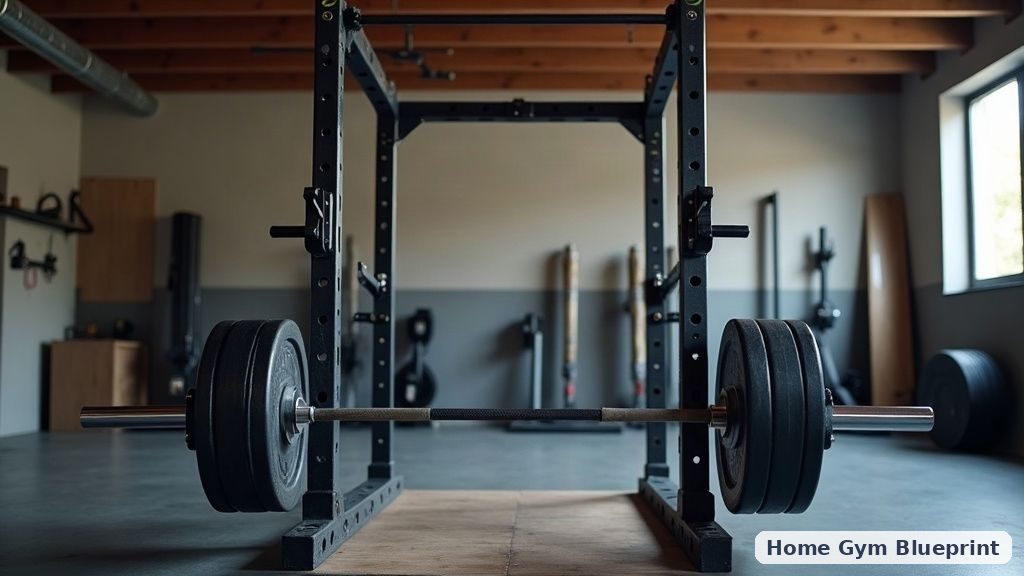
A power rack isn’t about looking serious — it’s about the safeties. Its adjustable safety bars catch a barbell if you fail a rep, which is what lets you squat and bench heavy without a spotter. That single function is the reason a rack exists. It also gives you a stable place to un-rack a loaded barbell, and often pull-up and attachment options.
If you’re not putting a loaded barbell over your body alone, most of that value doesn’t apply to you.

Who needs one — and who doesn’t
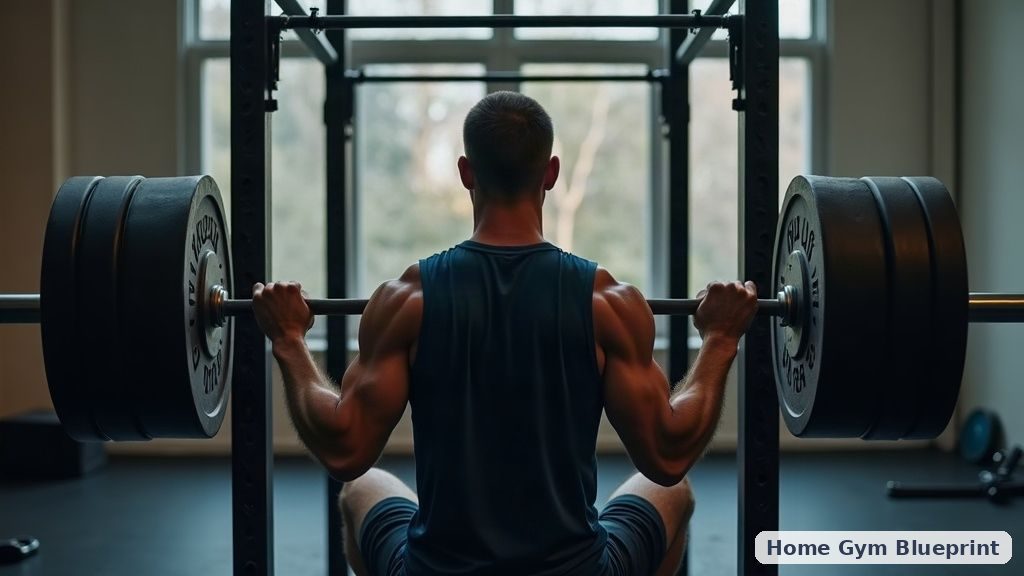
- You need a rack if: you barbell squat and bench heavy, train alone, and want to push hard safely. This is non-negotiable — a full cage like the HulkFit or budget CAP rack is safety gear, not a luxury.
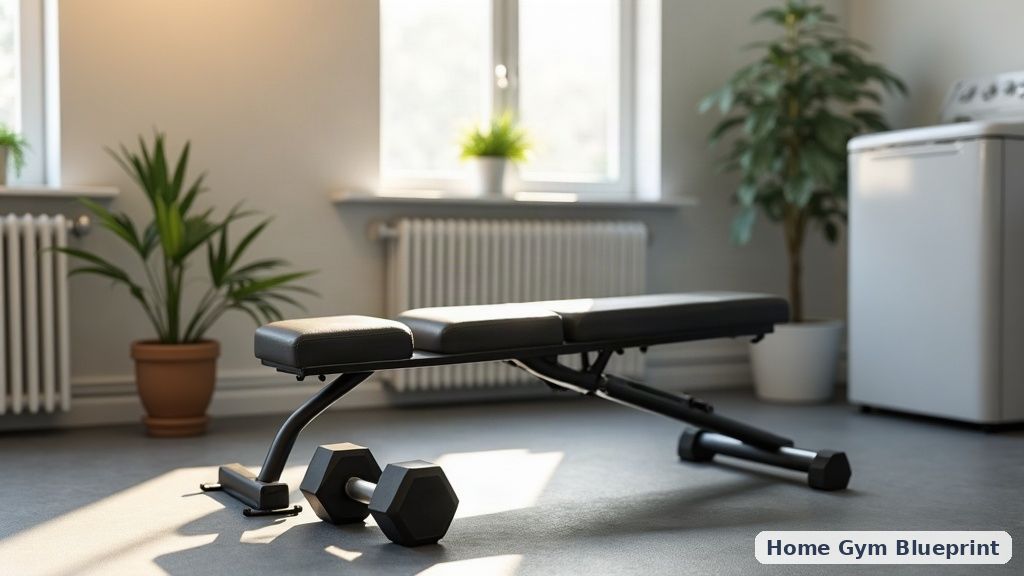
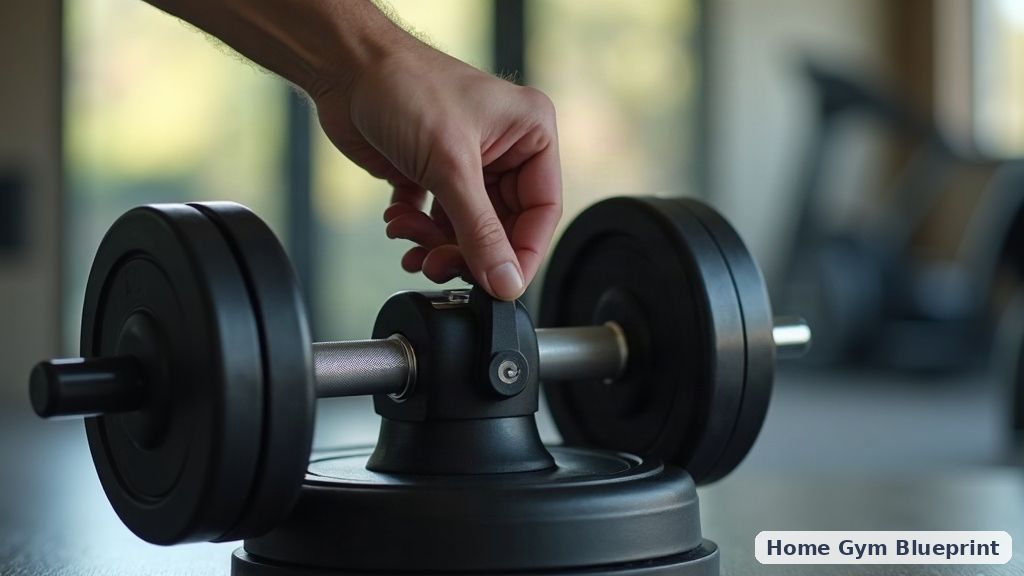
- You probably don’t if: you train mostly with dumbbells and bodyweight, do lighter or higher-rep work, or have no room for a full cage. A dumbbell-based program (see build muscle with just dumbbells) sidesteps the need entirely.
- The middle ground: if you barbell-train but space is tight, a space-saving rack like the Titan T-3 gives you the safeties in a smaller footprint. We compare rack styles in the squat rack vs power cage guide.
Is a power rack necessary for a home gym?
Only if you barbell squat/bench heavy and train alone — then yes, the safeties make it essential. If you train with dumbbells, kettlebells, and bodyweight, no — you can build a complete gym without one and save the biggest chunk of space and money. Match the equipment to how you actually lift.
Can I do a home gym without a power rack?
Absolutely. Adjustable dumbbells plus a bench cover a full-body program with no rack at all — that’s the core of our small home gym build. A rack becomes worth it specifically when heavy barbell lifting, done solo, enters the picture.
Full cage or half rack for a small space?
If the ceiling and floor allow, a full cage gives the best safety. If space is tight, a space-saving or half rack (like the Titan T-3) is the sensible compromise — just confirm the safety-bar coverage matches the lifts you’ll actually do heavy.
📚 Related In-Depth Analysis
- Compare findings with our guide on Foldable Weight Bench.
- Compare findings with our guide on Home Gym Flooring Guide.
📚 Related In-Depth Analysis
- Compare findings with our guide on Home Gym Warmup Routine.
- Compare findings with our guide on Can You Build Muscle With Just Dumbbells.
🔧 Interactive Planning Tool
Need exact measurements for your setup? Use our Gym Floor Clearance & Cable Arc Estimator to Estimate ceiling height clearance and lateral plate-loading space required.
Where to start
Barbell-train heavy and lift alone? A rack is essential safety gear — full cage if you have the room, space-saving rack if you don’t. Train with dumbbells and bodyweight? Skip it, build around weights and a bench, and put the money and floor space elsewhere. Buy the rack for the lifts you actually do, and check the live listing for height, depth, and weight ratings.