Squat Rack vs. Power Cage vs. Wall-Mounted: Home Gym Buying Guide (2026)
As an Amazon Associate I earn from qualifying purchases. Prices and availability are accurate as of the date/time indicated and are subject to change.
🔍 How this guide was put together (Editorial Standards)
This guide compares options using published manufacturer specifications, patterns in publicly visible owner reviews, and reputable expert sources. We do not operate a physical testing lab; see our how-we-research page for details.
EDITOR'S PICKS
Top Picks
TOP PICK

HulkFit Pro Series Power Cage + Home Gym Attachments
Full 4-post power cage with attachment ecosystem — most versatile of the three, relevant if you plan to expand with cable, dip, or lat-pull attachments.
RUNNER-UP

CAP Barbell FM-8000F Deluxe Power Rack
Established fitness brand power rack — often at a lower price than HulkFit while covering the same core safety functionality.
BEST VALUE

Titan Fitness T-3 Wall-Mounted Rack, 91" Height, Pull-Up Bar Included
Wall-mounted foldable — saves floor space when not in use. Relevant if garage/basement floor space is at a premium; requires a wall that can be anchored into.
📑 Table of contents
“Squat rack” is used loosely to describe three genuinely different products with different space, safety, and cost profiles. Knowing which category you actually want is more useful than comparing specific brands within the wrong category.
Full power cage (4-post) vs. half rack (2-post) vs. wall-mounted
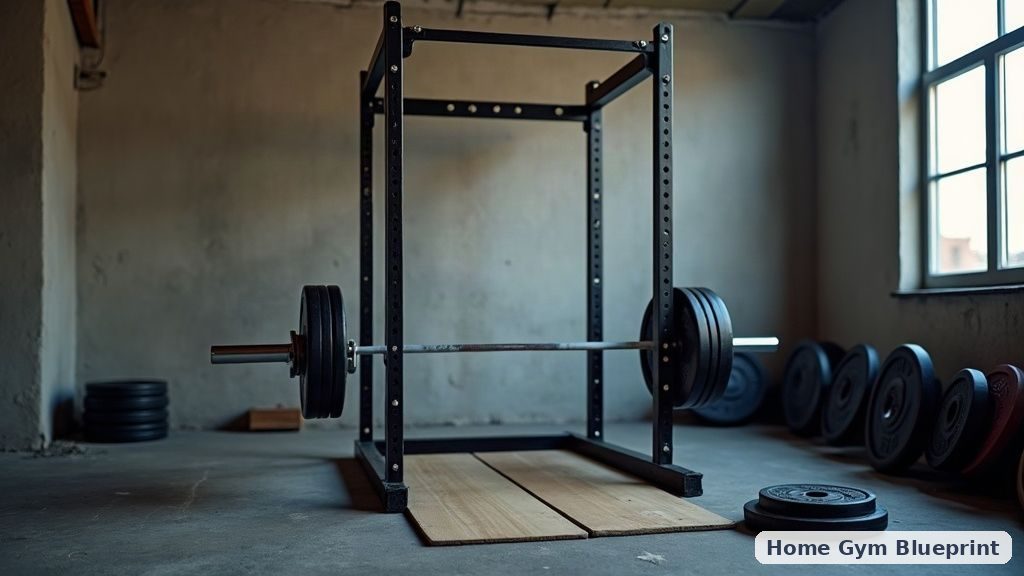
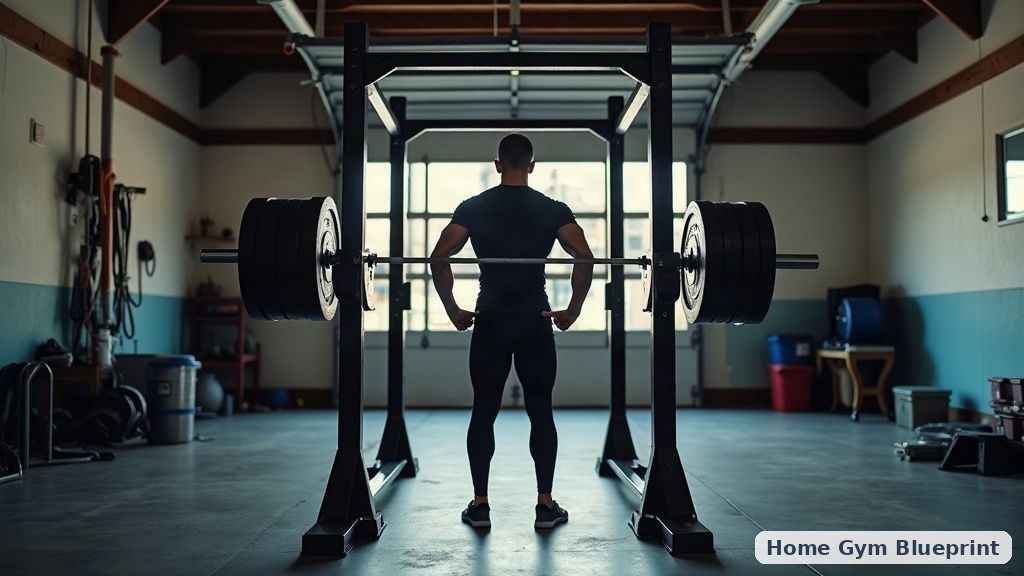
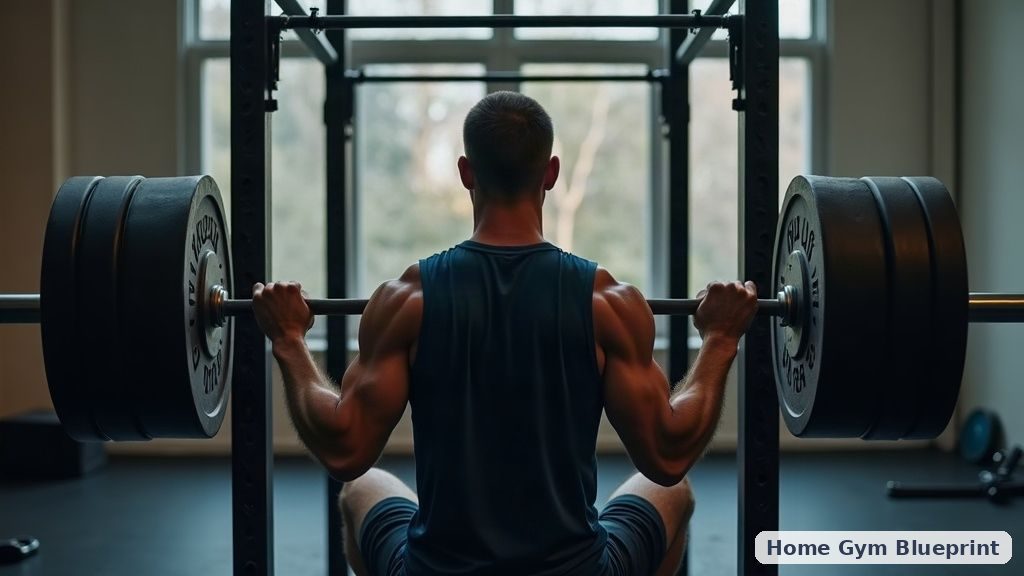
A full power cage (like the HulkFit and CAP picks above) surrounds you on 4 sides with safety pins/spotter arms — the highest-safety option for solo lifting, especially heavy squats and bench press where a failed rep needs somewhere to catch the bar. A half rack (2-post) uses less floor space and often less material cost, but safety catches typically only cover the front of the movement, not both sides. A wall-mounted rack (like the Titan T-3 pick) folds against the wall when not in use — the space-saver of the three, but requires structural wall anchoring and generally has smaller working envelope than a full cage.
Do the attachment ecosystems actually matter, or is it marketing?
They matter more than most first-time buyers realize. A bare power cage does squats, bench, and rack pulls. An attachment ecosystem (cable pulley, lat pulldown, dip bars, landmine) can turn the same rack into a full-body gym without buying a second machine. HulkFit and Titan both explicitly market attachment compatibility; check that the rack you’re considering has attachments AVAILABLE (not just “supports attachments generically”) before betting on future expansion.
Wall-mounted rack safety — what to verify BEFORE buying
Wall-mounted racks (Titan T-3) transfer all the load through the wall anchors during lifts. This is genuinely fine on properly-installed setups but catastrophic if anchored into drywall alone. Verify: (1) you have wood studs or concrete/masonry directly behind the mount location, (2) you’re using appropriately-rated anchors (typically 3/8” or 1/2” lag screws into studs, or wedge anchors into concrete), (3) your wall structurally CAN support the loaded weight — this often means consulting original building plans or asking a contractor for older homes.
Steel gauge — what the numbers actually mean
Rack uprights are typically 11-gauge (thicker/stronger, higher-end) or 12-gauge (thinner/cheaper, still adequate for most home use). The Titan T-3 pick specifically lists 11-gauge. For a home gym topping out around 400-500lb loads, 12-gauge is fine; for heavier lifting (600lb+ squats, high-frequency use), 11-gauge is worth the price premium for longer expected lifespan under repeated stress.
Comparison
| Model | Type | Best for |
|---|---|---|
| HulkFit Pro Series | Full 4-post cage | Max versatility, attachments |
| CAP Barbell FM-8000F | Full power rack | Established brand, value pricing |
| Titan Fitness T-3 Wall-Mount | Wall-mounted foldable | Floor-space priority, needs wall anchor |
📚 Related In-Depth Analysis
- Compare findings with our guide on Do You Need A Power Rack Home Gym.
- Compare findings with our guide on Home Gym Warmup Routine.
📚 Related In-Depth Analysis
- Compare findings with our guide on Kettlebell Vs Dumbbell.
- Compare findings with our guide on Home Gym Flooring Guide.
🔧 Interactive Planning Tool
Need exact measurements for your setup? Use our Gym Floor Clearance & Cable Arc Estimator to Estimate ceiling height clearance and lateral plate-loading space required.
Related guides
- Best adjustable dumbbells for home gym
- Home gym equipment for small spaces