Adjustable Weight Bench Guide: The Home Gym Piece Most People Skip (2026)
As an Amazon Associate I earn from qualifying purchases. Prices and availability are accurate as of the date/time indicated and are subject to change.
🔍 How this guide was put together (Editorial Standards)
This guide compares options using published manufacturer specifications, patterns in publicly visible owner reviews, and reputable expert sources. We do not operate a physical testing lab; see our how-we-research page for details.
EDITOR'S PICKS
Top Picks


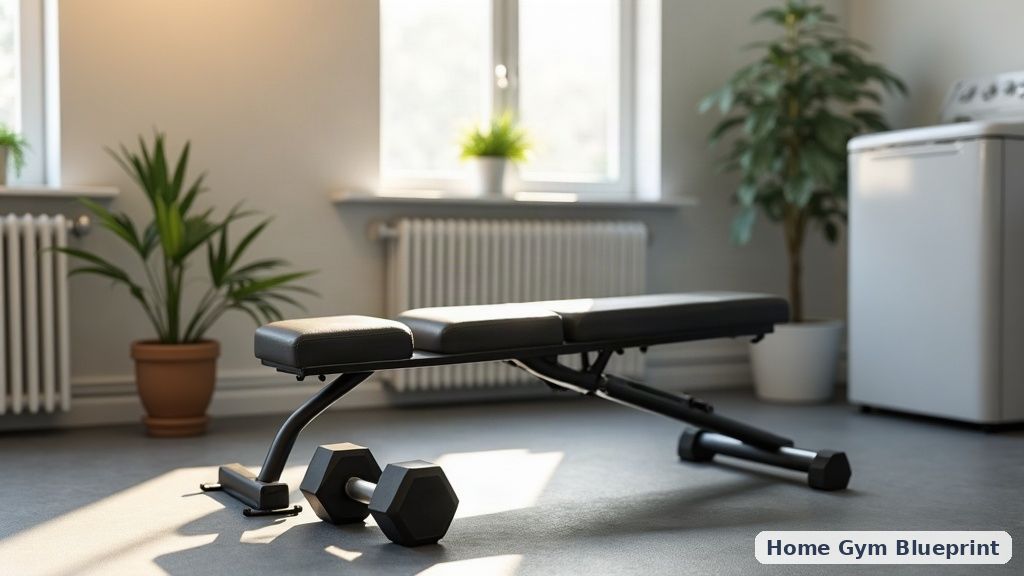
Ask someone building a first home gym what they’re buying and you’ll hear “dumbbells” and maybe “a rack.” The bench comes as an afterthought, if at all. That’s backwards. A solid adjustable bench is the cheapest way to roughly double the number of exercises your dumbbells can do — it turns one flat-floor movement into flat, incline, and decline variations, plus rows, step-ups, and split squats. Skip it and half your dumbbell potential sits unused on the floor.
Why a bench matters more than people think
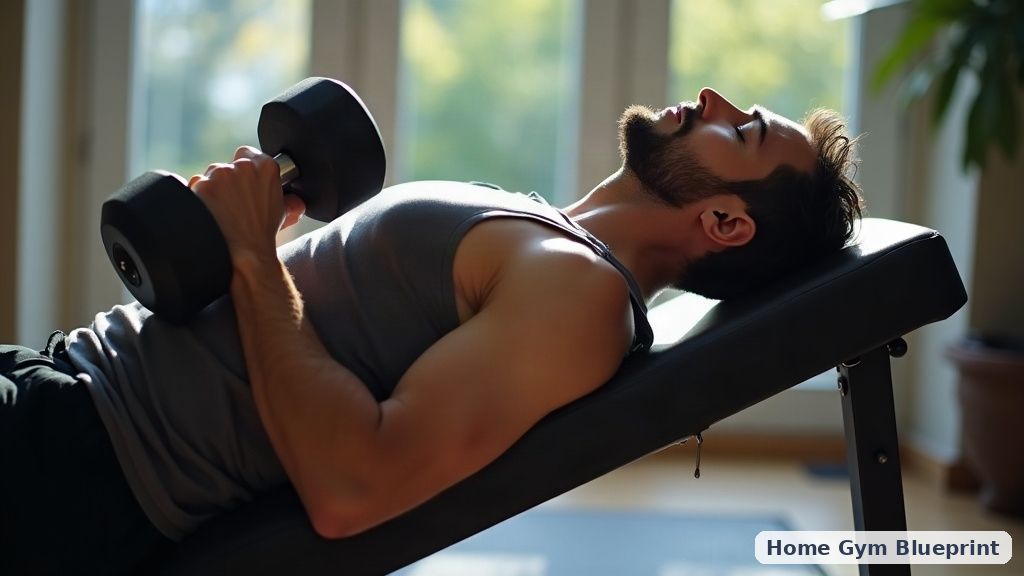
Without a bench you can press from the floor, but the floor stops your elbows early and kills the stretch that builds a chest. An incline changes which part of a muscle you load; a decline changes it again. Add seated shoulder work, single-leg work, and supported rows, and the bench quietly becomes the hub the rest of your dumbbell training rotates around. If you’re still deciding your first purchases, our guide on how much weight you actually need pairs naturally with this — weight plus a bench beats more weight alone.
What actually matters when choosing one
Benches look interchangeable in photos. These are the specs that separate a good one from a wobbly regret:
| Spec | What to look for | Why it matters |
|---|---|---|
| Weight rating | 600 lb+ total (bench + you + weights) | Cheap benches rate ~450 lb and flex under real loads |
| Backrest angles | At least flat, 30°, 45°, 90°; decline a plus | More usable angles = more exercises |
| Pad gap | Small or no gap between seat and back pads | A big gap digs into your back on incline |
| Ladder vs pop-pin | Ladder (bracket) adjustment | Sturdier and quieter than pop-pin under load |
| Pad width | ~10–12 in | Too narrow feels tippy; too wide limits shoulder blades |
| Feet | Wide base, rubber feet | Stops sliding and floor scuffs |
How stable does a bench really need to be?
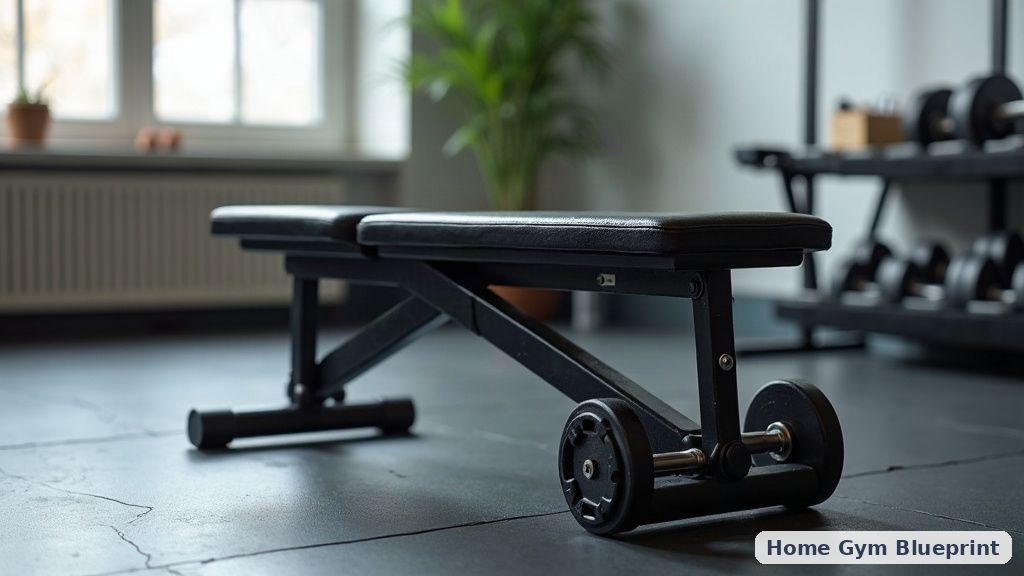
Stability is the whole game. A bench that rocks a few millimeters under a heavy press makes you brace instead of pushing, and it feels unsafe enough that you’ll unconsciously go lighter. The two things that create stability are a high weight rating (real steel, not thin tube) and a wide, flat base. Ladder-style backrest adjustment — a series of steel brackets rather than a single spring-loaded pin — holds the angle without the wiggle cheaper benches develop. If it wobbles empty, it will wobble worse loaded.
Flat bench vs adjustable: which should you buy?
A flat-only bench is cheaper, more stable at any given price, and takes less space. An adjustable bench costs more and can flex more per dollar, but unlocks incline/decline work. For most home gyms the adjustable wins because versatility is the point of training at home — but if your budget is tight and you mainly do flat pressing, a rock-solid flat bench beats a flimsy adjustable one. This mirrors the trade-off in our power rack vs no-rack discussion: buy fewer, sturdier pieces rather than more flimsy ones.
Where the bench fits in a small space
A bench folds a lot of training into a small footprint, which suits the space-saving home gym approach. Look for one that folds or stands vertically for storage if floor space is tight — many adjustable models do. It sits comfortably in a spare bedroom or garage corner; our garage vs spare bedroom breakdown covers the surface and climate considerations either way.
📚 Related In-Depth Analysis
- Compare findings with our guide on Do You Need A Power Rack Home Gym.
- Compare findings with our guide on Can You Build Muscle With Just Dumbbells.
📚 Related In-Depth Analysis
- Compare findings with our guide on Kettlebell Vs Dumbbell.
- Compare findings with our guide on How To Protect Concrete Floor Heavy Power Rack.
🔧 Interactive Planning Tool
Need exact measurements for your setup? Use our Gym Floor Clearance & Cable Arc Estimator to Estimate ceiling height clearance and lateral plate-loading space required.
The bottom line
If you already own dumbbells, the highest-value next purchase is usually not more dumbbells — it’s a sturdy adjustable bench with a 600 lb+ rating, multiple locking angles, and a small pad gap. It roughly doubles your exercise menu and anchors the rest of your training. Buy once, buy solid, and don’t let it be the afterthought it usually is.