How Much Weight Do You Actually Need for a Home Gym in 2026?
As an Amazon Associate I earn from qualifying purchases. Prices and availability are accurate as of the date/time indicated and are subject to change.
🔍 How this guide was put together (Editorial Standards)
This guide compares options using published manufacturer specifications, patterns in publicly visible owner reviews, and reputable expert sources. We do not operate a physical testing lab; see our how-we-research page for details.
EDITOR'S PICKS
Top Picks

The weight question trips up almost every first home-gym build. Buy a huge set “to be safe” and you’ve spent extra on plates you won’t touch for a year — and given up floor space you don’t have. Buy light and you outgrow it in weeks and resent the purchase. The right answer isn’t a single number; it’s a range matched to your current strength and where you’re headed. Here’s how to size it without over- or under-buying.
Different lifts need very different loads
The mistake is thinking of “home gym weight” as one number. Your body doesn’t work that way:
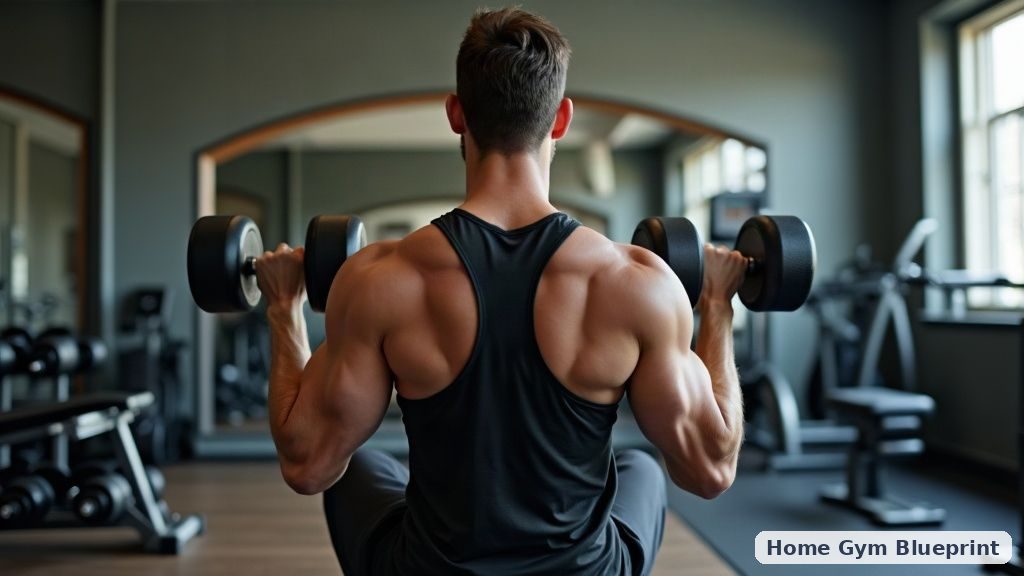
- Small muscles (curls, lateral raises, triceps): you’ll use surprisingly light weight — often 5–20 lb per hand even for stronger lifters.
- Big compound lifts (goblet squats, rows, presses, lunges): you’ll want much more, and you’ll keep needing more as you progress.
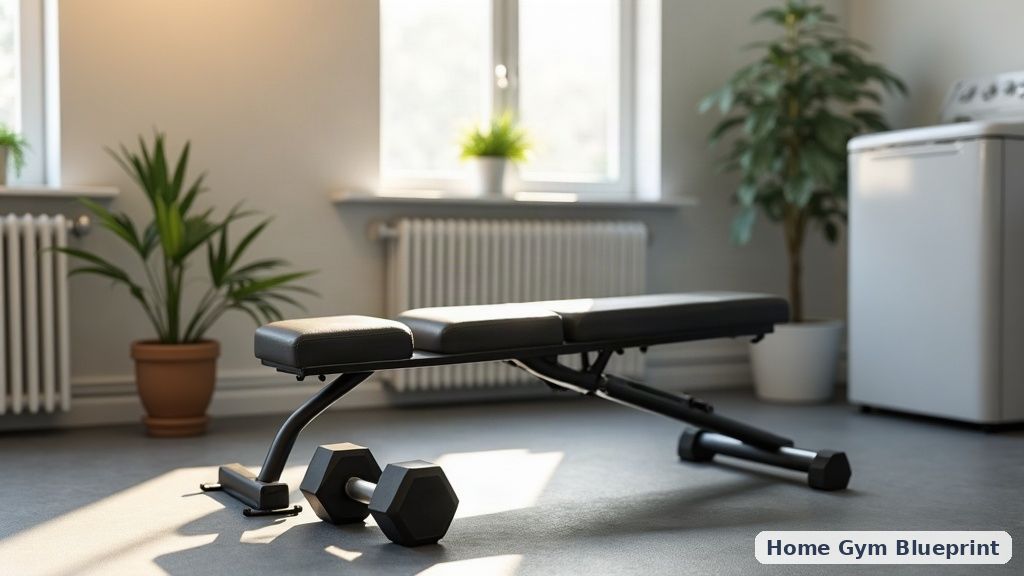
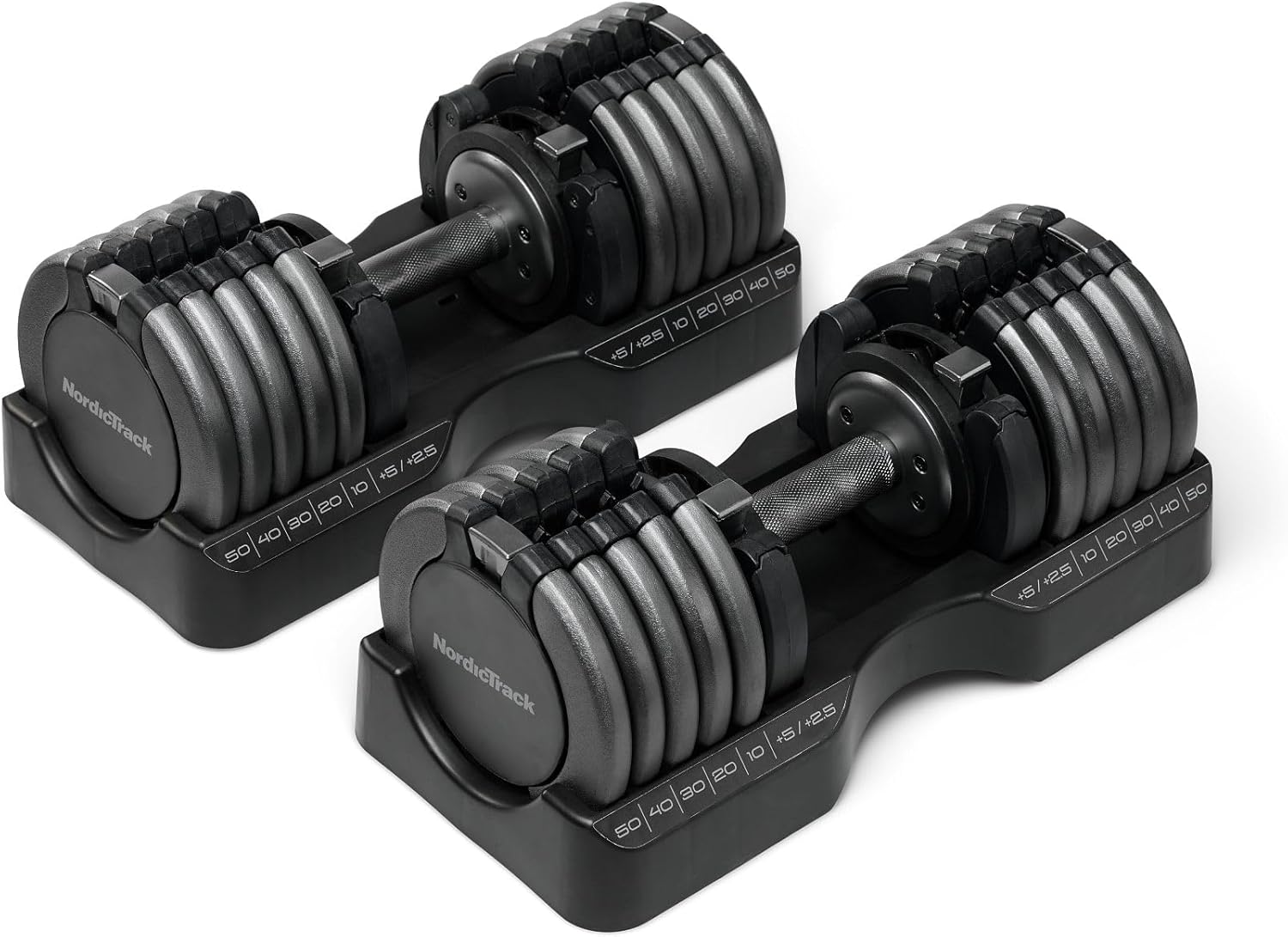
That spread is the whole argument for adjustable dumbbells: one pair that covers, say, 5 up to 50+ lb replaces a rack of fixed pairs and grows with you across every exercise. It’s why an adjustable set (like the NordicTrack Select-a-Weight or budget PROIRON) is usually the first and smartest weight purchase — covered in depth in our best adjustable dumbbells guide.
How to size it to you
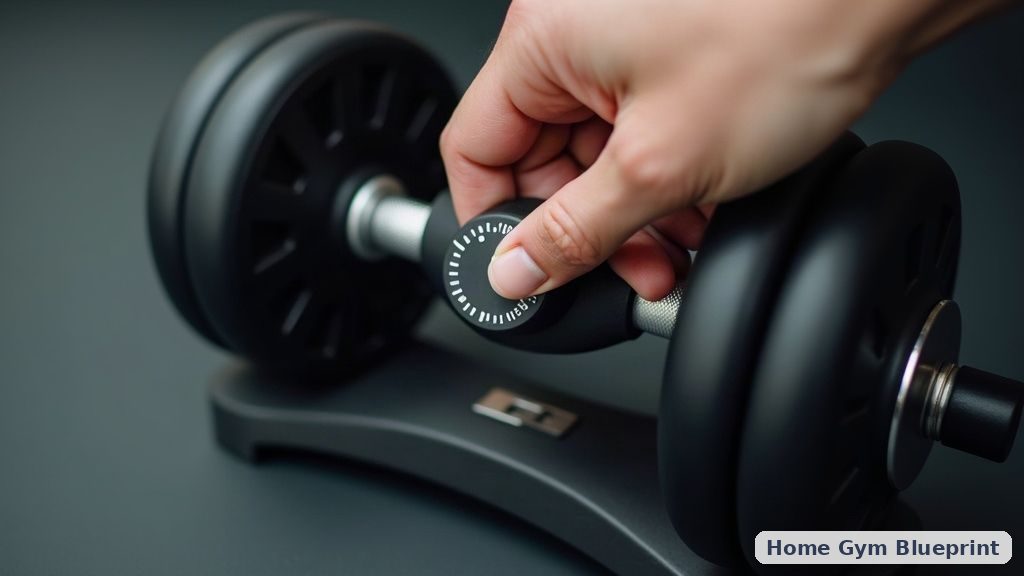
- Beginner, general fitness: a single pair of adjustables spanning ~5–50 lb covers almost everything for a long time. You will not outgrow the top end quickly.
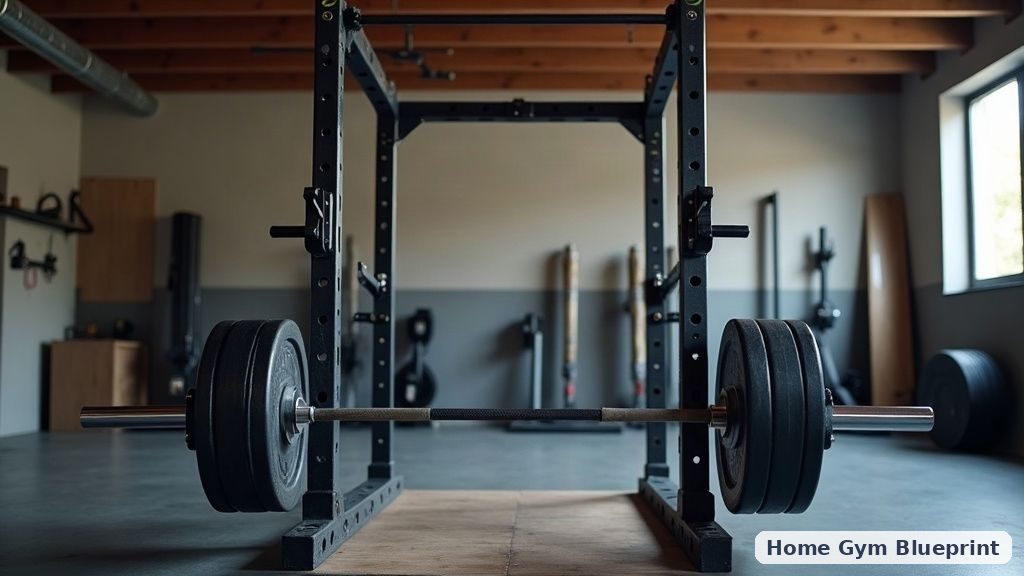
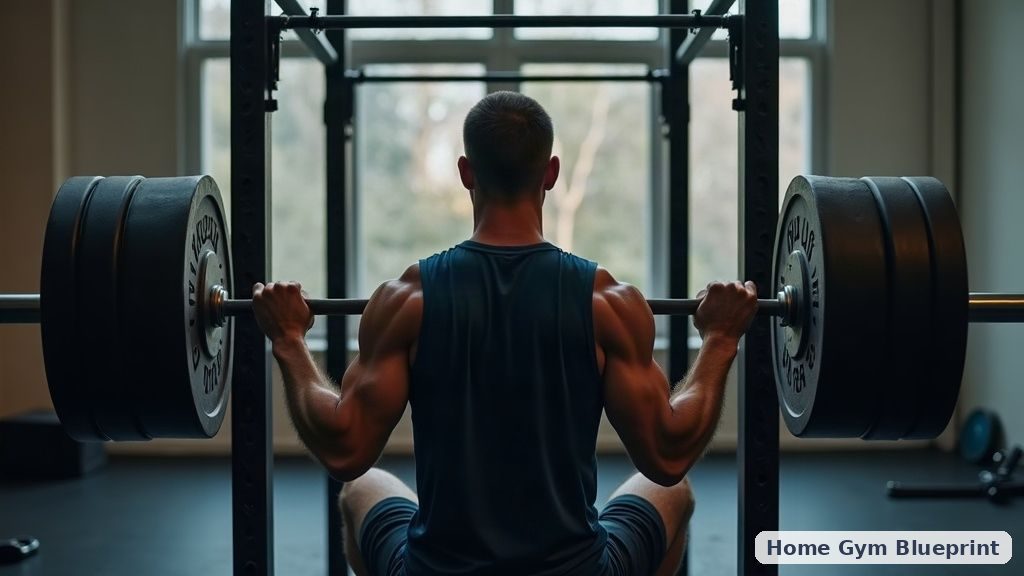
- Stronger or lower-body focused: you’ll want adjustables that reach higher (50–90 lb) or a barbell + plates for heavy squats and deadlifts, since dumbbells cap out for big lower-body lifts.
- Rule of thumb: buy a range whose top you can’t currently use for your weakest big lift, so you have room to progress — but not so high you’re paying for weight years away.
How much weight should a beginner buy for a home gym?
One pair of adjustable dumbbells spanning roughly 5–50 lb is enough to train the whole body for months, at a fraction of the space and cost of fixed sets. Add a barbell and plates later, only when your squats and deadlifts outgrow dumbbells. Don’t front-load a giant plate collection you won’t use.
Are adjustable dumbbells enough, or do I need a barbell?
For general strength and muscle, adjustables are enough for a long time. You’ll want a barbell and plates specifically when your lower-body lifts (squats, deadlifts) get strong enough that dumbbells become the limiting factor — that’s a good problem for later, not a day-one purchase. Our small home gym build guide sequences it.
How much total weight for barbell lifts?
If you go barbible-and-plates, a common starting plate set totals around 230–300 lb, which covers most people’s squat and deadlift for a good while. Buy in a way you can add to, and remember plates need real storage — a factor in small rooms.
📚 Related In-Depth Analysis
- Compare findings with our guide on Adjustable Weight Bench Guide.
- Compare findings with our guide on Foldable Weight Bench.
📚 Related In-Depth Analysis
- Compare findings with our guide on Do You Need A Power Rack Home Gym.
- Compare findings with our guide on Best Adjustable Dumbbells Home Gym.
🔧 Interactive Planning Tool
Need exact measurements for your setup? Use our Gym Floor Clearance & Cable Arc Estimator to Estimate ceiling height clearance and lateral plate-loading space required.
Where to start
Start with one pair of adjustable dumbbells in a range you can’t yet max on your weakest big lift — that single purchase covers nearly everything and grows with you. Add a barbell and plates only when lower-body lifts demand it. Buy the range, not a pile of weight you’re guessing at — and check the live listing for the exact weight span of each set.