Foldable Weight Benches: Save Space Without Losing Stability (2026)
As an Amazon Associate I earn from qualifying purchases. Prices and availability are accurate as of the date/time indicated and are subject to change.
🔍 How this guide was put together (Editorial Standards)
This guide compares options using published manufacturer specifications, patterns in publicly visible owner reviews, and reputable expert sources. We do not operate a physical testing lab; see our how-we-research page for details.
EDITOR'S PICKS
Top Picks


📑 Table of contents
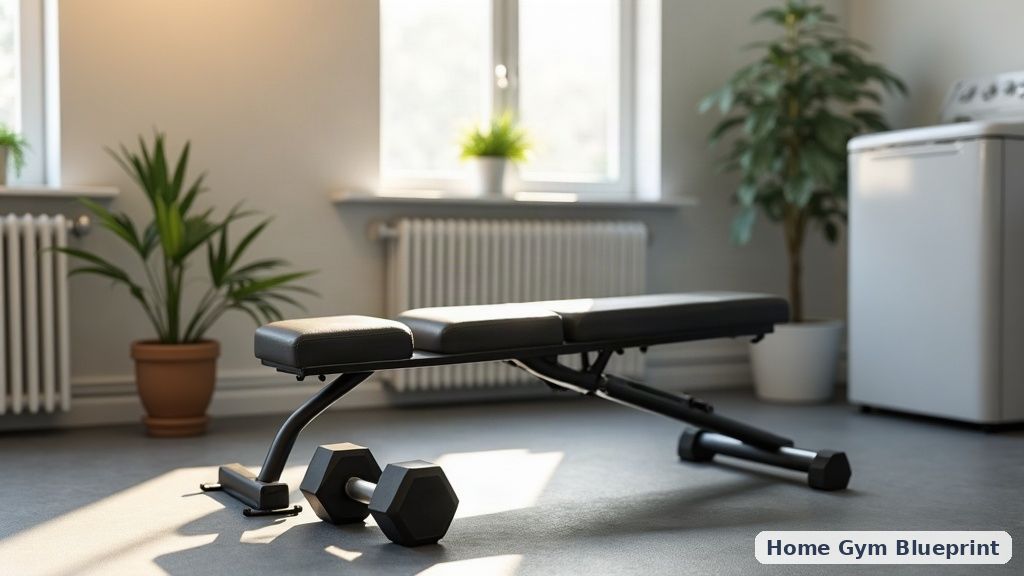
A foldable weight bench sounds like a pure win: full pressing angles when you train, a flat package behind the door when you don’t. The catch is that folding introduces a hinge, and a hinge is a potential wobble point right under a loaded barbell or a pair of heavy dumbbells. The good folding benches engineer that hinge to lock solid; the bad ones flex just enough to make every press feel unsafe. Here’s how to tell them apart before you buy.
What actually matters in a folding bench
Load rating — and read it correctly. A bench rated “600 lb” usually means the frame’s static max, not what’s safe in motion. For pressing, you want the rating to comfortably exceed your bodyweight plus the heaviest dumbbells or bar you’ll ever use, with margin. A 150 lb lifter pressing 2x50 lb dumbbells loads the bench to ~250 lb dynamically — a 600 lb-rated frame gives sane headroom.
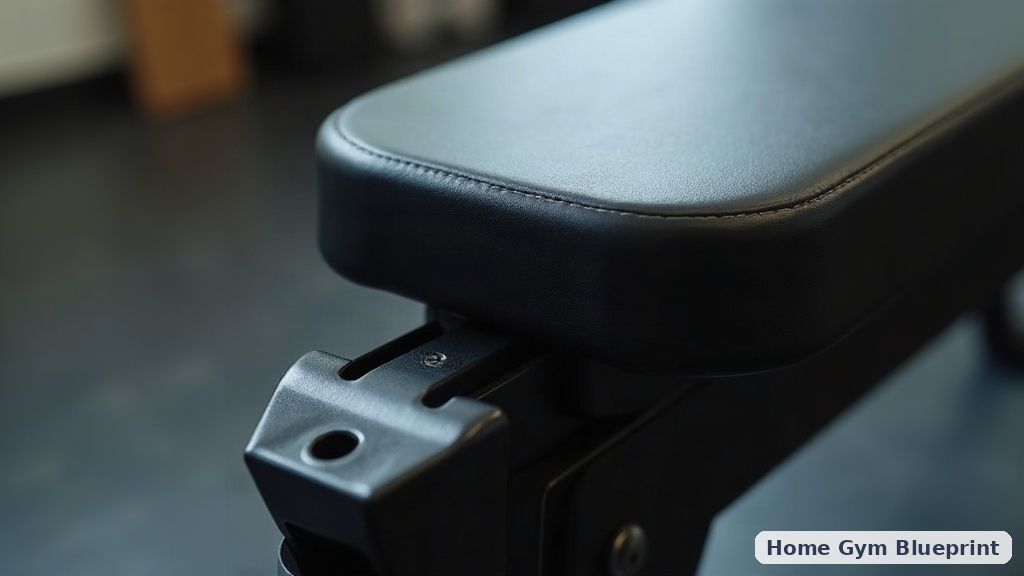
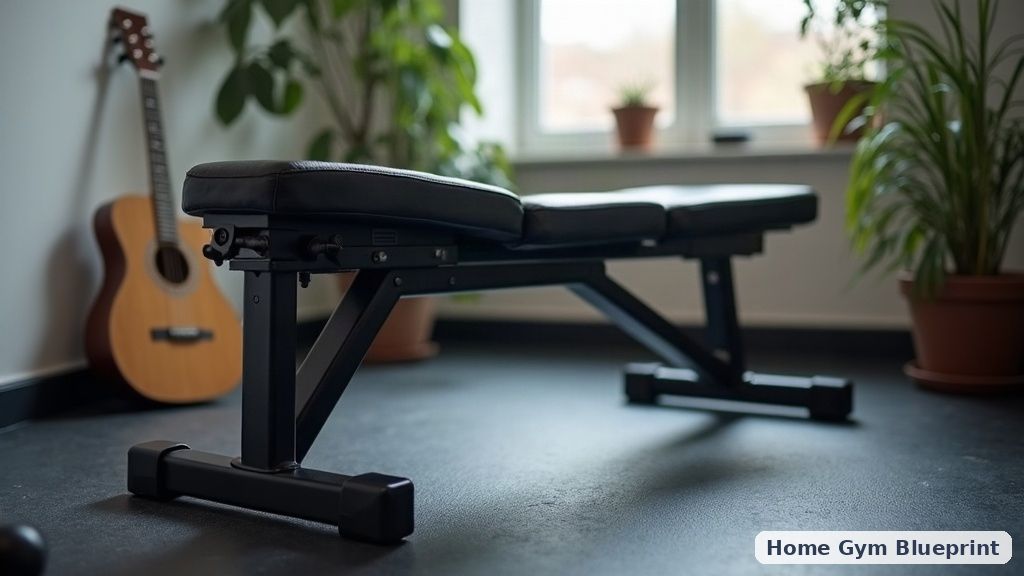
Hinge lock quality. The fold mechanism should engage with a positive click and have no play when you rock the bench side to side. Any lateral wobble at the hinge disqualifies it for heavy work.
Backrest ladder. Look for 5–7 incline positions including a true flat and at least one decline. Fewer angles limits the exercises the bench unlocks — see our full adjustable weight bench guide for the angle math.
How much space does folding actually save?
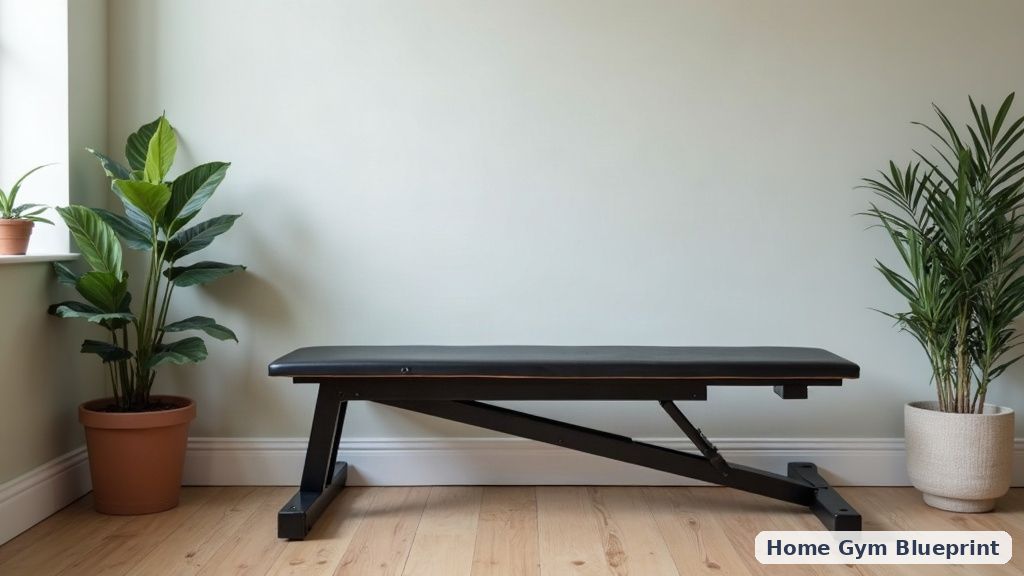
Real numbers: a folded flat bench drops from roughly 43 x 19 x 18 inches set up to about 43 x 19 x 6 inches folded — thin enough to slide under a bed or stand behind a door. That ~12 inches of reclaimed floor depth is the entire reason to accept a hinge, so confirm the folded thickness before buying, not just the folded weight.
Which lifters is a folding bench right for?
- Apartment and shared-room gyms: the folded footprint is the whole point. Pair it with space-saving equipment.
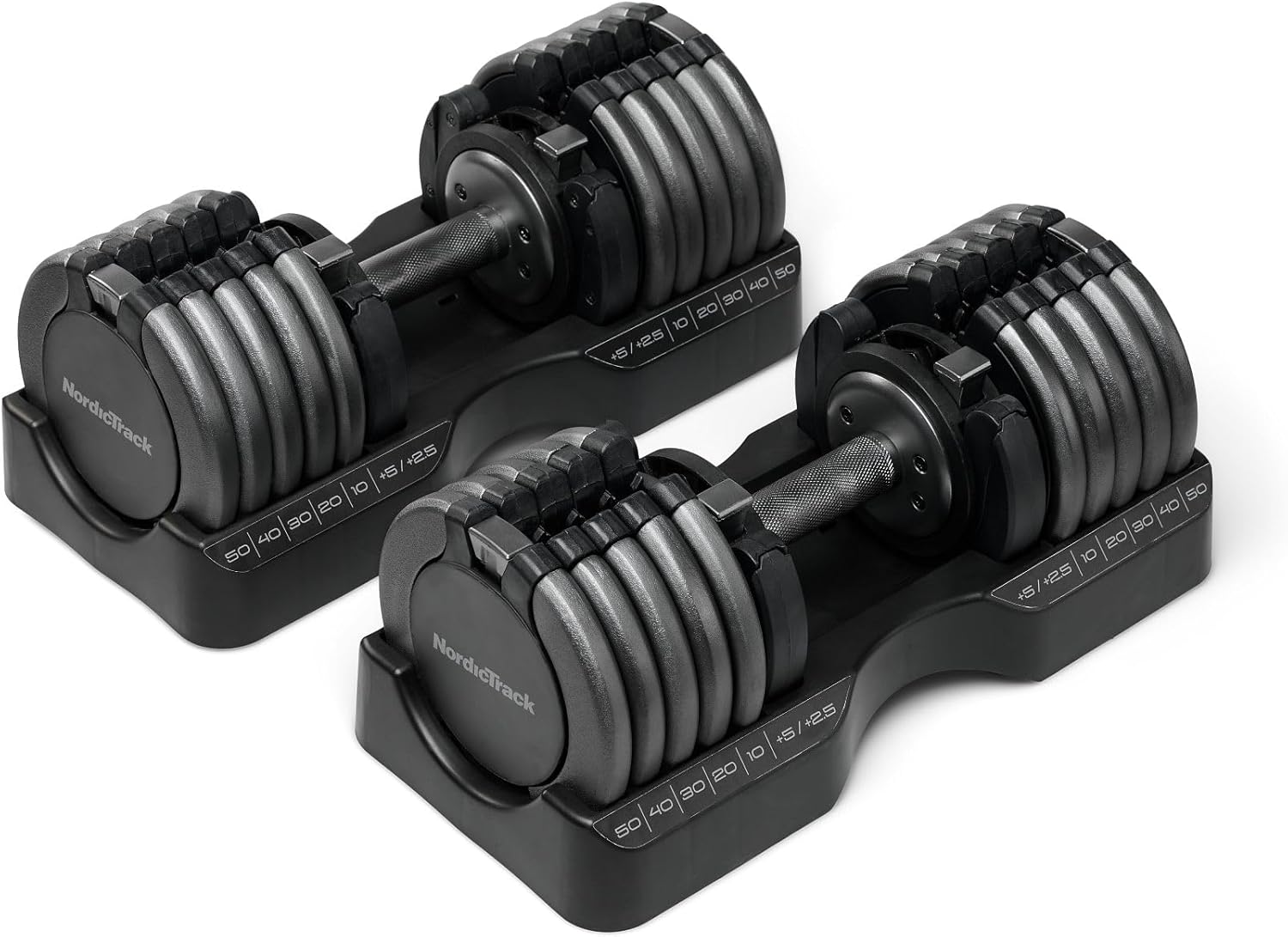
- Dumbbell-first setups: a bench plus adjustable dumbbells covers most of a full-body program in two purchases.
- Serious barbell lifters: you may still want a fixed bench inside a rack — folding is a space compromise, and the strongest frames are non-folding.
Does a folding bench belong under a power rack?
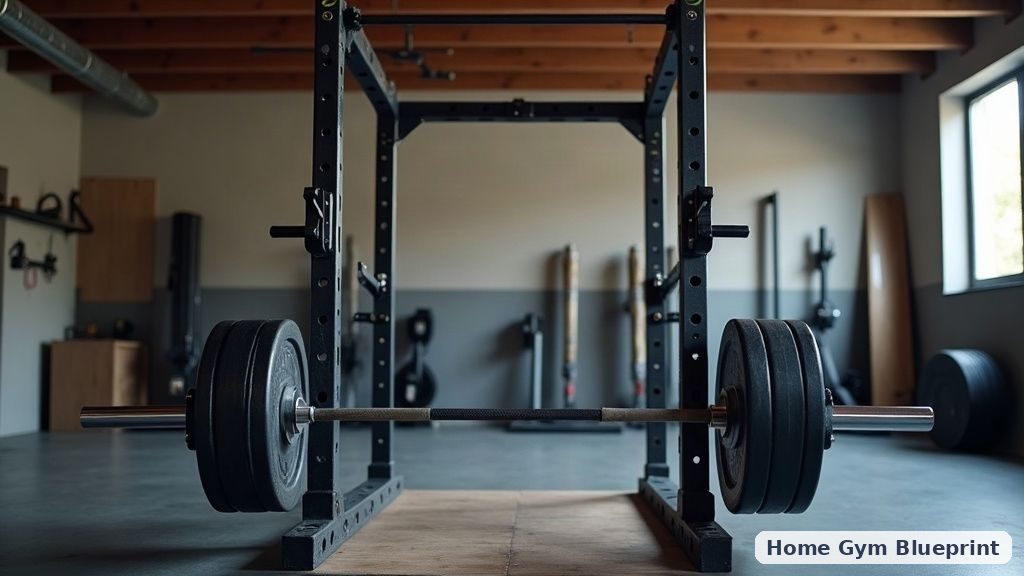
Usually no — most folding benches are a touch shorter and lighter than a dedicated flat bench, and inside a rack you want maximum stability over storage convenience. Keep the folder for freestanding dumbbell work; use a fixed bench for heavy barbell pressing. See do you need a power rack.
📚 Related In-Depth Analysis
- Compare findings with our guide on Best Adjustable Dumbbells Home Gym.
- Compare findings with our guide on Can You Build Muscle With Just Dumbbells.
📚 Related In-Depth Analysis
- Compare findings with our guide on Kettlebell Vs Dumbbell.
- Compare findings with our guide on Adjustable Weight Bench Guide.
🔧 Interactive Planning Tool
Need exact measurements for your setup? Use our Gym Floor Clearance & Cable Arc Estimator to Estimate ceiling height clearance and lateral plate-loading space required.
Bottom line
A foldable weight bench is worth it when floor space is the real constraint — but only if the hinge locks dead-solid and the load rating clears your working weights with margin. Check folded thickness, rock-test the hinge, count the incline positions, and it’ll serve a full dumbbell program while disappearing between sessions.