How to Optimize a Small Space for a Full Home Gym Setup
As an Amazon Associate I earn from qualifying purchases. Prices and availability are accurate as of the date/time indicated and are subject to change.
The short answer
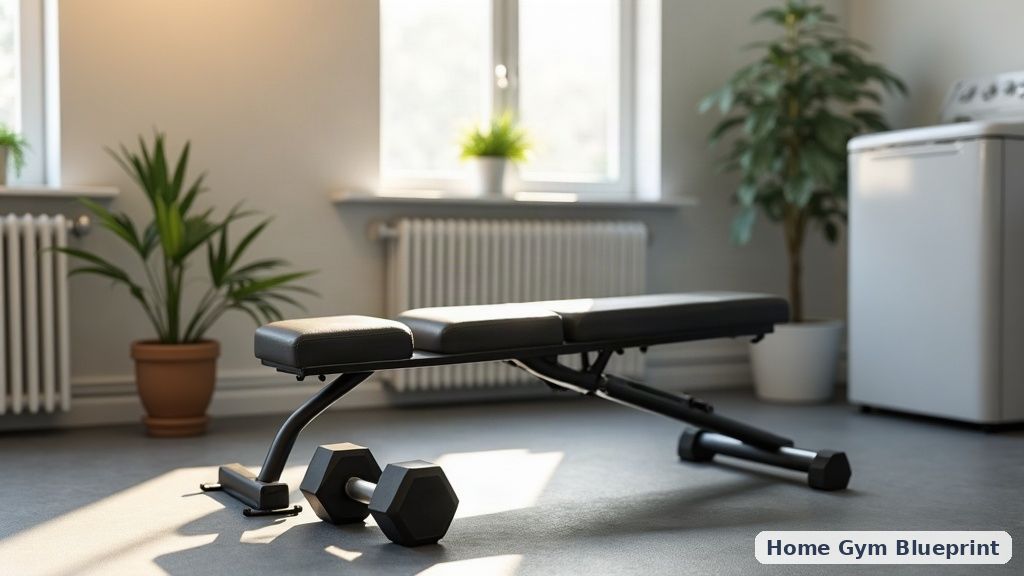
If you only want one recommendation: FLYBIRD Adjustable Weight Bench Foldable. Folds flat into a 30-inch vertical profile that slips into a wardrobe or under a bed when training ends.
Check price on Amazon →🔍 How this guide was put together (Editorial Standards)
This guide compares options using published manufacturer specifications, patterns in publicly visible owner reviews, and reputable expert sources. We do not operate a physical testing lab; see our how-we-research page for details.
EDITOR'S PICKS
Top Picks
TOP PICK
RUNNER-UP
BEST VALUE
📑 Table of contents
Creating a home gym in a limited area, such as a 10x10 spare bedroom or a corner of your apartment, requires careful planning and smart equipment choices. This guide will walk you through the essential elements necessary to optimize your small space for a full home gym setup, focusing on effective usage of vertical space, multifunctional equipment, and efficient storage solutions.
Understanding Your Space: Dimensions and Layout Planning
Before making any purchases, it’s crucial to measure your available space accurately. A standard room size of 10x10 feet provides 100 square feet, but the layout will significantly influence how you arrange your equipment.
Key Measurements
- Height of the Room: Most ceilings are 8-10 feet high; consider this for vertical storage.
- Floor Space: Designate a workout area that allows for movement and avoid clutter.
- Door and Window Locations: Ensure that your setup does not obstruct these features.
Layout Strategies
- Zoning: Divide the space into zones for different activities, like cardio, strength training, and stretching. Use area rugs to visually separate these zones.
- Flow: Ensure there’s a clear path between zones. For instance, if you’re transitioning from a weightlifting area to a stretching zone, allow space for movement.
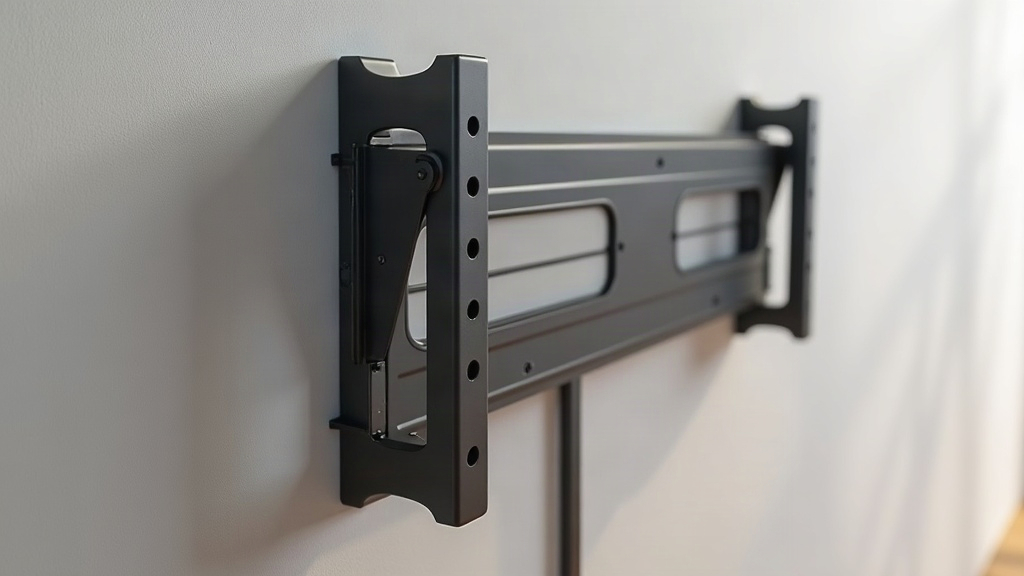
- Vertical Space Utilization: Use wall-mounted racks for storage and equipment. This will free up floor space, allowing for more workout options.
Essential Equipment for a Compact Home Gym
When selecting equipment, prioritize versatility, storage capability, and your specific workout goals.
Recommended Equipment List
| Equipment Type | Dimensions (L x W x H) | Weight Limit | Key Features |
|---|---|---|---|
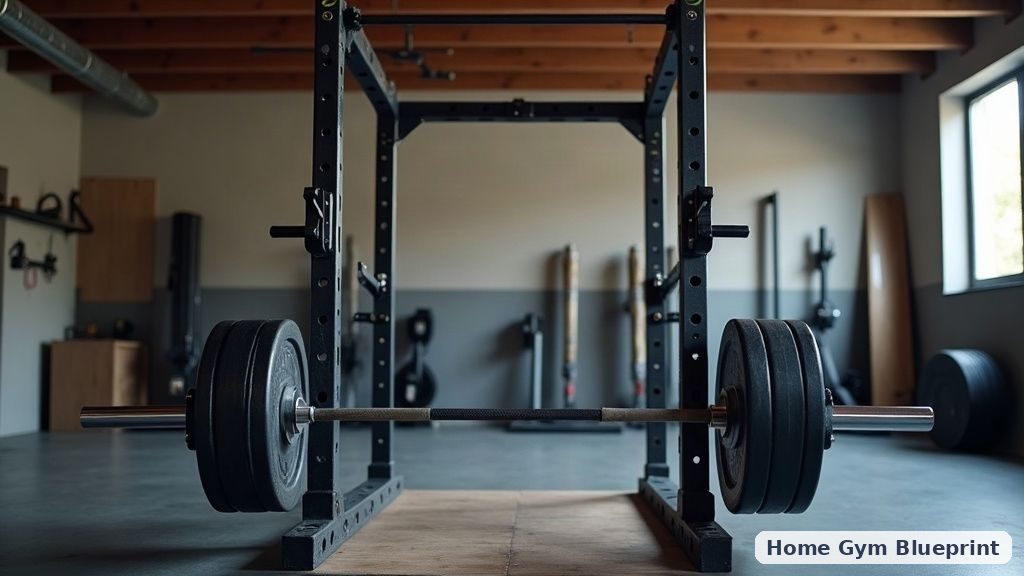
| Folding Squat Rack | 48” x 48” x 85” | 600 lbs | Space-saving, adjustable height |
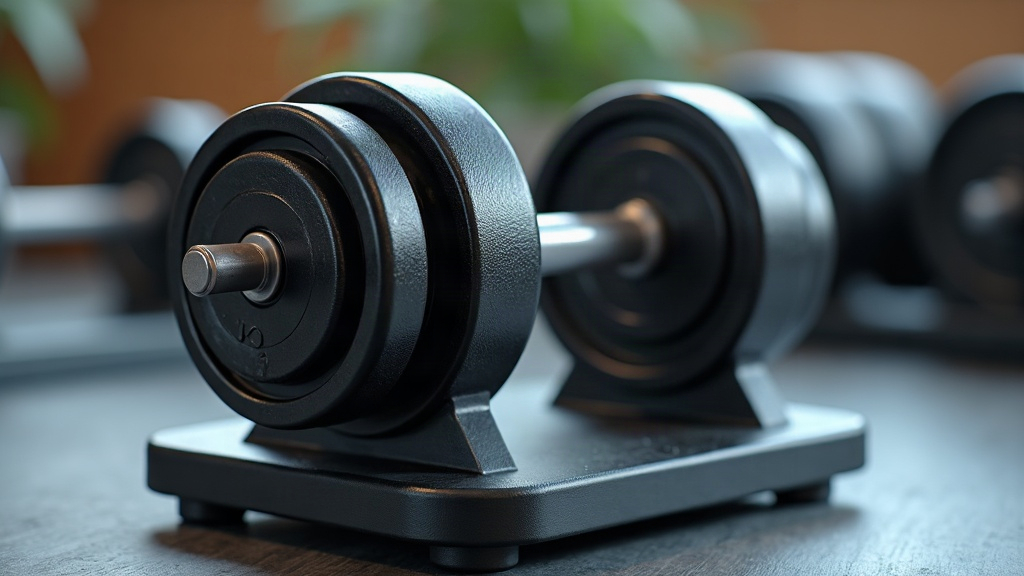
| Adjustable Dumbbells | 15” x 9” x 9” | 5-75 lbs each | Compact, easy to change weights |
| Resistance Bands | 6.5 ft (length varies) | N/A | Versatile, portable, various tensions |
| Wall-Mounted Pull-Up Bar | 36” x 36” x 6” | 300 lbs | Minimal footprint, multiple grips |
| Folding Exercise Mat | 72” x 24” x 1” | N/A | Easy to store, cushioned for comfort |
Multifunctional Equipment
Investing in multifunctional equipment can significantly enhance your workout potential without consuming excessive space. Examples include:
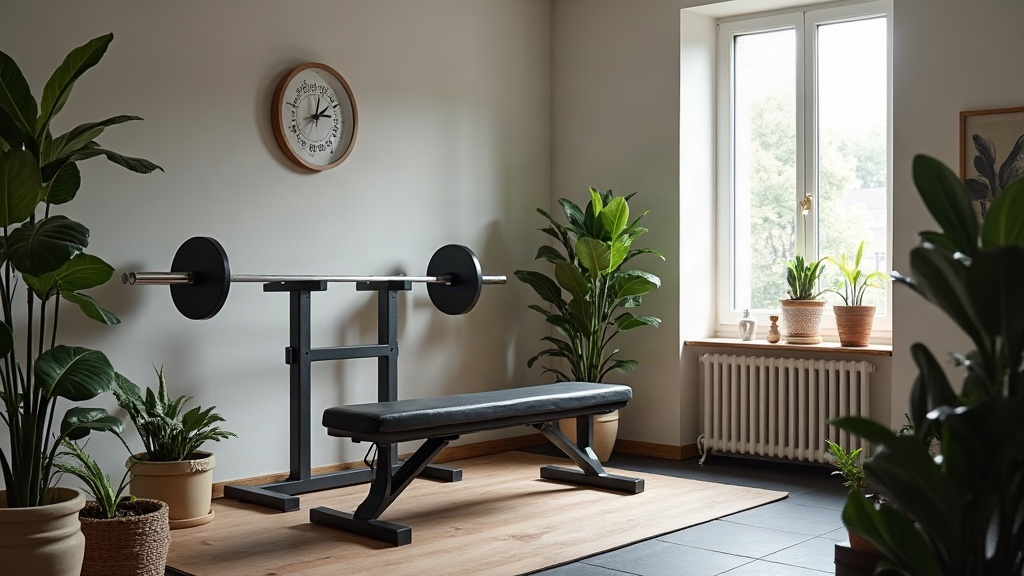
- Adjustable Benches: Can be used for various exercises from bench press to step-ups.
- Folding Squat Racks: These can be stored against the wall when not in use, providing both safety and space efficiency.
Storage Solutions and Organization
To maintain a clutter-free environment, effective storage solutions are paramount. Here’s how to maximize your storage capacity:
Vertical Storage Techniques
- Wall Racks: Install wall-mounted racks to hold weights, resistance bands, and other small items.
- Overhead Storage: Consider ceiling-mounted systems for items like yoga mats or resistance bands.
- Storage Benches: Use benches that double as storage units, allowing you to stow items like kettlebells or jump ropes.
Smart Arrangement
- Baskets or Bins: Utilize labeled bins to keep smaller items organized and easily accessible.
- Magnetic Strips: Attach magnetic strips to the wall for holding metal items like weights or tools.
Maintenance and Safety Considerations
Once your home gym is set up, ensuring safety and maintaining your equipment is essential for longevity and effectiveness.
Regular Maintenance
- Inspect Equipment: Regularly check for wear and tear on your equipment, particularly moving parts like bearings in dumbbells or cables in resistance bands.
- Clean Surfaces: Wipe down equipment after use to remove sweat and prevent corrosion.
Safety Tips
- Proper Setup: Ensure all equipment is set up as per the manufacturer’s instructions.
- Space Awareness: Always be aware of your surroundings while working out to prevent accidents or injuries.
Interactive Tool
For an interactive experience to help you visualize and optimize your space further, check out our Home Gym Calculator.
Frequently Asked Questions
1. How can I choose the right equipment for my space?
Choosing the right equipment involves assessing your fitness goals, the amount of space available, and the types of workouts you prefer. Opt for versatile tools that offer multiple functionalities, such as adjustable dumbbells or multifunction benches.
2. What are the best flooring options for a small home gym?
The best flooring options depend on your activities. Rubber flooring is durable and provides shock absorption, making it suitable for weightlifting. Foam tiles are ideal for stretching and bodyweight exercises. Ensure the flooring is easy to clean and maintain.
3. How can I ensure my home gym remains motivating?
To maintain motivation, consider personalizing your workout space with inspiring decor, a sound system, or a dedicated area for tracking progress. Regularly changing your workout routine or schedule can also keep things fresh and engaging.